






Textile Industry
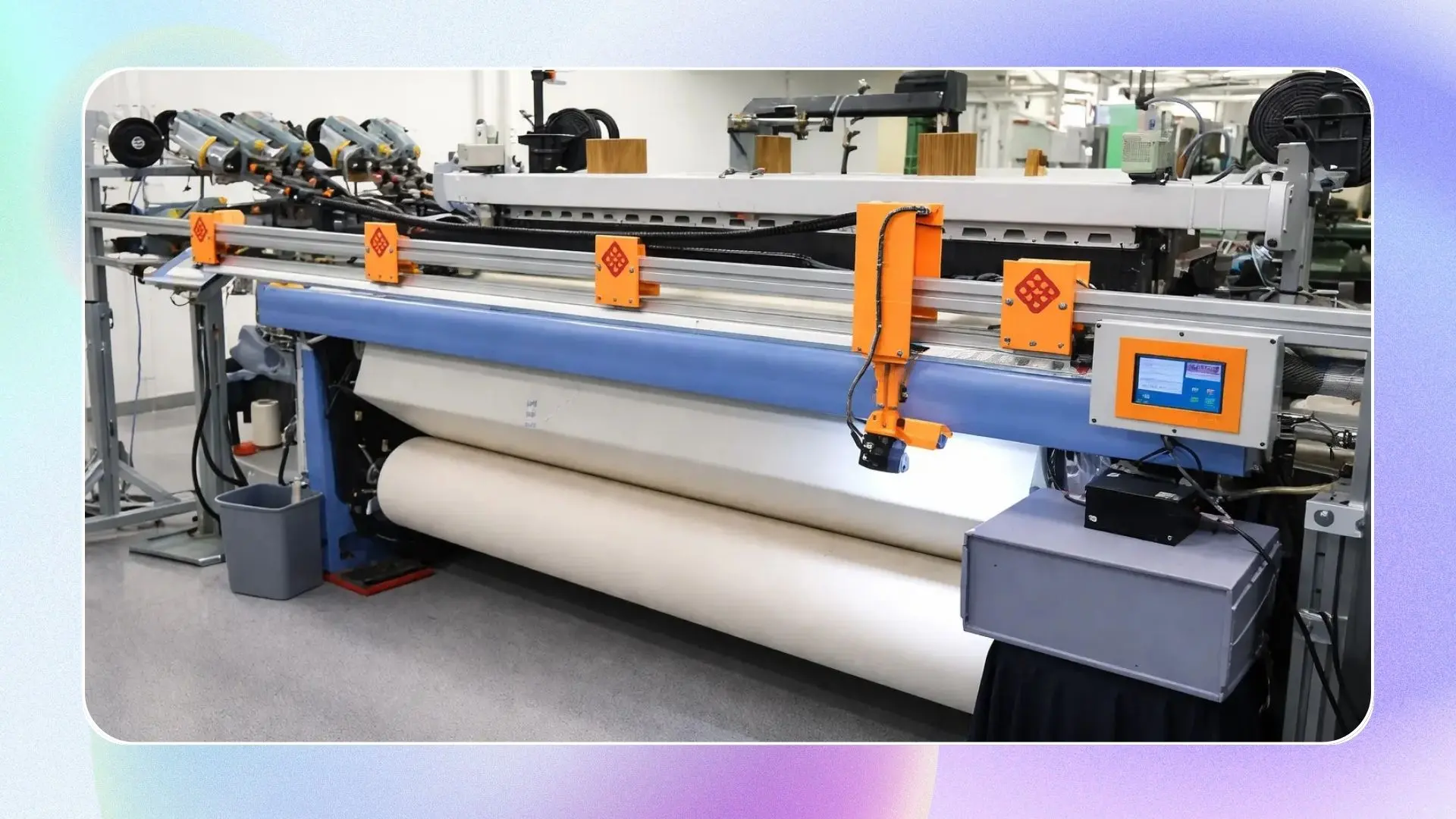
The textile industry is one of the oldest and most fundamental human industries, playing a vital role in daily life, the economy, culture, and human safety. With technological advancements, fabrics with specialized properties—such as waterproof and fire-resistant textiles—have been developed and are now widely used across numerous industries.
Part 1: History of Textile Production
Textile production, defined as the interlacing of fibers to create fabric, dates back more than 7,000 years. In Iran, archaeological evidence of weaving discovered in the Silk Hill (Tepe Sialk) of Kashan dates to around 5000 BCE. During the Achaemenid and Sassanian periods, luxurious silk and wool fabrics featuring artistic motifs were produced.
With the advent of Islam, the textile industry in Iran flourished significantly, and cities such as Isfahan, Yazd, and Tabriz became major textile production centers. In the 18th century, following the Industrial Revolution, mechanized looms were introduced, marking the transition of textile production from traditional craftsmanship to industrial manufacturing.
Part 2: Waterproof and Fire-Resistant Textiles
Waterproof Textiles
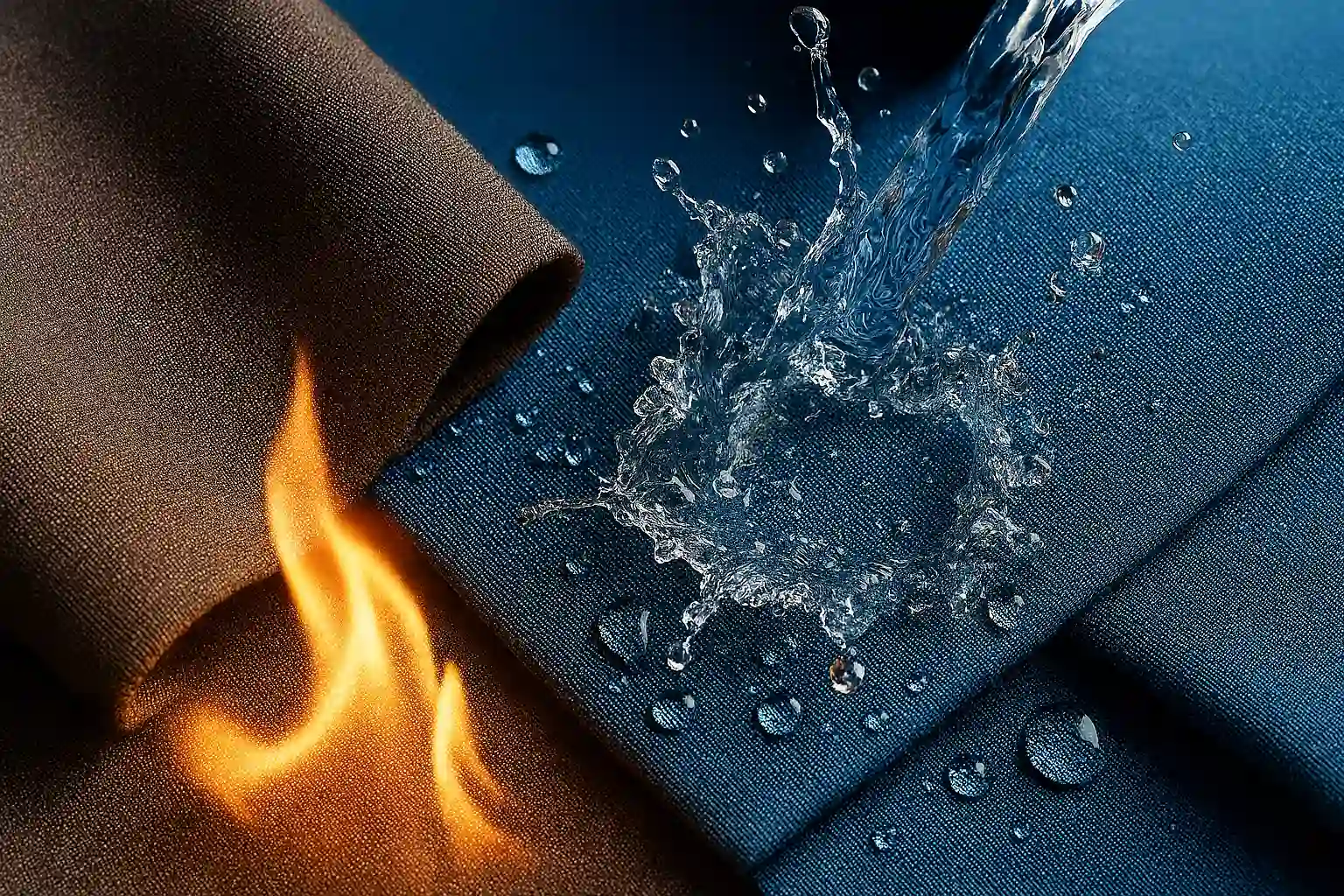
Waterproof fabrics are produced using specialized fibers or surface treatments such as polyurethane (PU), polyvinyl chloride (PVC), or silica-based nanoparticles. These fabrics act as a protective barrier, preventing water penetration while, in many advanced designs, maintaining breathability. In general, waterproof textiles function as a shield between the human body and environmental moisture, offering excellent protection against rain and humidity while allowing perspiration to escape. Nanotechnology has played a critical role in enhancing the durability, efficiency, and overall performance of these fabrics.
Fire-Resistant Textiles
Fire-resistant textiles are engineered to resist ignition, slow flame spread, and reduce heat transfer. These fabrics are either made from inherently flame-resistant fibers or treated with specialized fire-retardant coatings. They are essential in environments where exposure to high temperatures, sparks, or open flames poses a serious safety risk.
Part 3: Applications of Waterproof and Fire-Resistant Fabrics
Defense and Emergency Services
Protective apparel used by firefighters, military personnel, and rescue teams must withstand extreme thermal conditions and moisture exposure. In addition, military tents, sleeping bags, and field equipment are manufactured using waterproof and fire-resistant fabrics to ensure reliable performance in harsh climates.
Construction and Automotive Sectors
Fire-resistant curtains are widely used in public buildings, hospitals, and hotels to prevent flame propagation during fire incidents. In the automotive sector, heat- and water-resistant textiles are applied in seat upholstery, roof linings, and interior panels to enhance passenger safety and product longevity.
Healthcare and Medical Equipment
Surgical and protective clothing must be waterproof, antibacterial, and resistant to chemicals. Hospital textiles—including curtains and bedding in intensive care units and isolation wards—require washable, contamination-resistant fabrics that comply with strict hygiene standards.
Outdoor, Sports, and Travel Equipment
Camping gear such as tents must resist rain, wind, and potential fire hazards. Outdoor apparel, including raincoats and windbreakers, protects users during demanding activities. Sleeping bags and backpacks require lightweight, waterproof, and abrasion-resistant textiles to ensure durability and comfort.
Interior Design and Furnishings
Waterproof upholstery fabrics are widely used in public spaces such as restaurants, hotels, and hospitals. Fire-resistant curtains and drapery are essential elements in commercial, office, and hospitality interiors to enhance safety and meet regulatory requirements.
Part 4: Advantages of Waterproof and Fire-Resistant Fabrics
Key Benefits
-
Enhanced Safety: Protection against burns, smoke inhalation, and moisture penetration in hazardous environments
-
Superior Durability: Resistance to abrasion, repeated laundering, UV radiation, and chemical exposure
-
Cost Efficiency: Extended product lifespan reduces replacement and maintenance costs
-
High Adaptability: Suitable for industrial, military, medical, architectural, and outdoor applications
Part 5: Strategic Importance of Domestic Production
Domestic production of waterproof and fire-resistant textiles is strategically important not only from an economic perspective but also in terms of national security and cultural identity.
Employment Generation
As a labor-intensive sector, textile manufacturing has significant potential to create employment, particularly in less-developed regions.
Import Substitution
Local production reduces dependency on expensive imports that are vulnerable to geopolitical and economic instability.
Cultural Integration
Combining advanced textile technologies with traditional Iranian crafts—such as Termeh, Kilim, carpet weaving, and velvet—can result in innovative products with strong cultural value.
Export Opportunities
Neighboring markets including Iraq, Afghanistan, Turkey, and Central Asia demonstrate strong demand for durable technical textiles, positioning Iran as a potential regional exporter.
Technological Advancement
Producing advanced textiles requires investment in research and development, collaboration with universities and research centers, and modernization of machinery. Over time, this contributes to broader technological growth and innovation within the country.
Final Conclusion
Waterproof and fire-resistant textiles represent a major advancement in the evolution of the textile industry. Their multifunctional nature—combining safety, durability, and versatility—makes them indispensable in modern life. To fully harness their potential, the following measures are recommended:
-
Governmental support for domestic manufacturers
-
Specialized training programs in academic and technical institutions
-
Quality enhancement aligned with international standards
-
Development and promotion of Iranian brands such as OYAZ and other active producers
Through these strategies, Iran can establish itself as a regional leader in the production of advanced technical textiles.
Iranian Brand: OYAZ
OYAZ is a leading Iranian brand specializing in decorative and upholstery fabrics with advanced properties, including waterproofing, fire resistance, antibacterial performance, and insect repellence. The brand complies with international certifications such as OEKO-TEX, ensuring consumer health and safety.
Selected OYAZ Products
BONITA G/S, CALIFORNIA AF, CETIA
Features:
-
Waterproof and stain-resistant
-
Fire-resistant
-
Soft, velvet-like texture
Applications:
-
Lining fabrics
-
Lightweight upholstery
-
Sheer and decorative curtains
-
High flexibility and softness
-
OEKO-TEX Certified
PARIS
Features:
-
Waterproof
-
Modern weave with elegant appearance
-
Wide color range
Applications:
-
Decorative curtains for offices, residential spaces, and hotels
-
Chair upholstery in reception halls, restaurants, and living areas
-
Bedroom sets and furniture
Key Advantage:
A combination of minimalist aesthetics and waterproof functionality, making it ideal for spaces requiring both elegance and moisture resistance.
-
OEKO-TEX Certified
DIAMOND WP / JASMIN WP
Features:
-
Water- and moisture-resistant
Applications:
-
Luxury furniture
-
Interior decoration in hotels and reception halls
-
Luggage and suitcase covers
Key Advantage:
Excellent dimensional stability after washing and prolonged use.
LINDA WP
Features:
-
Waterproof
-
Antibacterial
-
Durable mesh structure
-
Breathable while maintaining strength
Applications:
-
Industrial environments
-
Flooring covers
-
Reinforcement layers in upholstery
-
Outdoor equipment and high-humidity environments
Key Advantage:
Strong yet breathable mesh structure.